Table of Contents
Results of a recent investigation by Consumer Reports have raised significant concerns about the safety of synthetic braiding hair.
Findings of the Investigation
The organization conducted tests on 10 popular synthetic braiding hair brands and discovered carcinogens in 100% of the samples.
- The tests detected lead and other volatile organic compounds (VOCs), including acetone, in nine out of the 10 products.
- Chemicals associated with cancer were found in every product, including methylene chloride.
The presence of lead in synthetic braiding hair is a cause for concern, as it can damage the brain, suppress the immune system, and make it harder for the body to fight off infections in adults.
In children, the impact of lead exposure is more severe, with potential effects on brain development, IQ points, and behavioral issues.
Exposure and Precautions
Although the levels of chemicals found in the synthetic braiding hair may not be alarming, individuals should be aware of potential exposure sources in their daily lives.
- Reducing Exposure
- Reducing the frequency of braiding and resting the hair for longer periods.
- Extending the time between braiding events to minimize exposure.
- Prioritizing Health
- Volatile Organic Compounds (VOCs)
- Carcinogens
- Methylene Chloride
- The presence of carcinogens in synthetic braiding hair is a cause for concern.
- Reducing exposure to chemicals in synthetic braiding hair can minimize the risk of adverse health effects.
- The presence of lead in synthetic braiding hair is a cause for concern, as it can damage the brain, suppress the immune system, and make it harder for the body to fight off infections in adults.
- Children are more susceptible to the effects of lead exposure due to their developing brains and bodies.
- Reducing Exposure
- Reducing the frequency of braiding and resting the hair for longer periods.
- Extending the time between braiding events to minimize exposure.
- Prioritizing Health
According to James Rogers, director and head of product safety testing at Consumer Reports, individuals can reduce their exposure to these chemicals by:
“Consider cutting your braiding time in half and letting your hair rest, let your skin and scalp rest, that lowers your exposure too,” said Rogers.
Consumers who experience adverse reactions to synthetic braiding hair should report the issues to their healthcare provider and the Food and Drug Administration.
Recommendations and Conclusion
Consumers who use synthetic braiding hair do not have to stop using the product entirely, but they should consider the potential risks and take precautions.
By reducing exposure to these chemicals, individuals can minimize the risk of adverse health effects.
Quoted Statements
“Every product had a chemical that has been associated with causing cancer. For instance, every product had some level of methylene chloride,” said James Rogers, director and head of product safety testing at Consumer Reports. “Consider, instead of wearing your braids four to six weeks — which is what we were told is the average — maybe cut that in half,” Rogers added. “We don’t think (the chemicals) should be there, because we do know that you will be exposed to them from other sources in your lifestyle. We should reduce every source that we can so the total amount that you’re exposed to is not something that will cause you health problems,” he said.
Scientific Definitions
VOCs are chemicals that can be released when products are heated.
Carcinogens are chemicals or substances that can cause cancer.
Methylene chloride is a chemical that has been associated with cancer and is found in some synthetic braiding hair products.
Highlights
Key Findings:
Importance of Awareness
It is essential for consumers to be aware of the potential risks associated with synthetic braiding hair and take steps to minimize exposure to these chemicals.
Precautions
Individuals should consider reducing the frequency of braiding, letting their hair rest, and extending the time between braiding events to minimize exposure to these chemicals.
Recommendations
Consumers who use synthetic braiding hair should report any adverse reactions to their healthcare provider and the Food and Drug Administration.
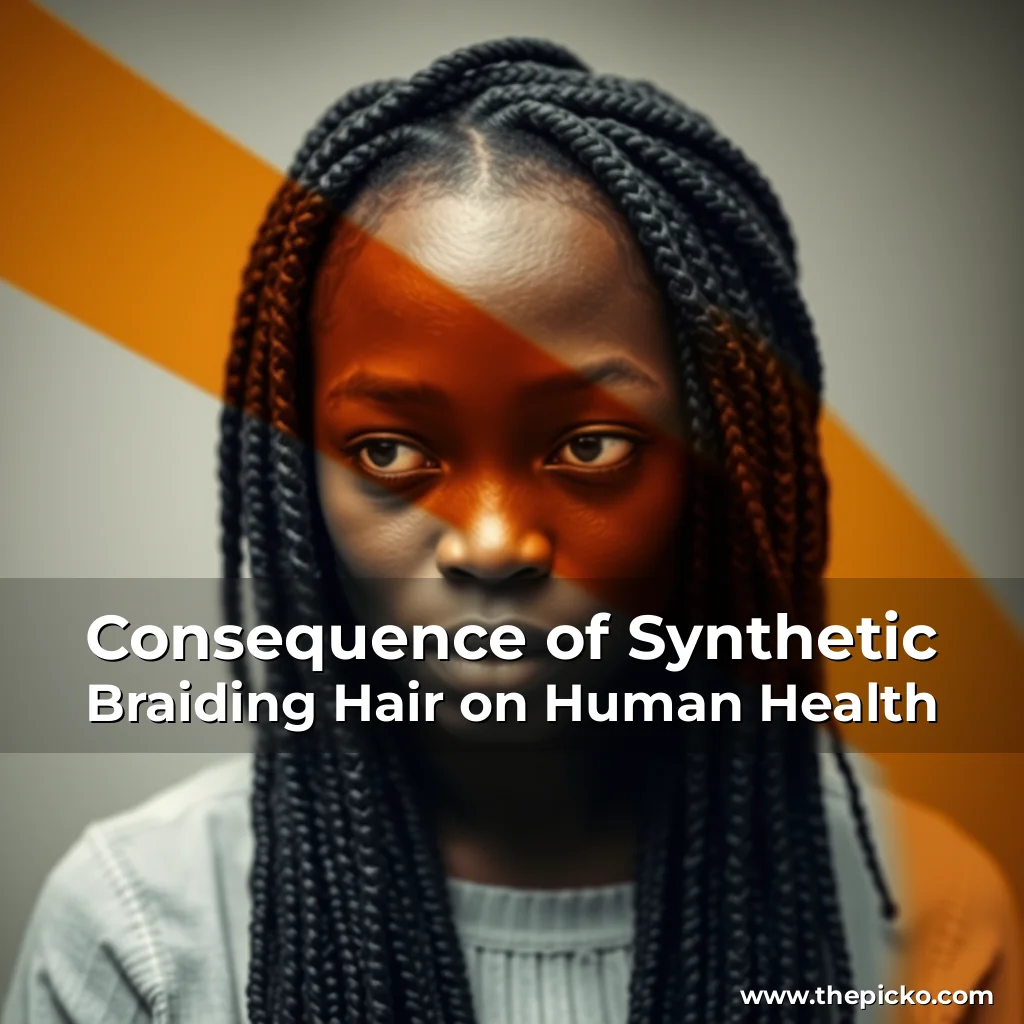
Consequence of Synthetic Braiding Hair on Human Health
Results of a recent investigation by Consumer Reports have raised significant concerns about the safety of synthetic braiding hair. The organization conducted tests on 10 popular synthetic braiding hair brands and discovered carcinogens in 100% of the samples.
Findings of the Investigation
The tests detected lead and other volatile organic compounds (VOCs), including acetone, in nine out of the 10 products.
Chemicals associated with cancer were found in every product, including methylene chloride.
The levels of chemicals found in the synthetic braiding hair may not be alarming, but the cumulative effect of exposure to these chemicals can still pose a risk to human health.
Exposure and Precautions
Although the levels of chemicals found in the synthetic braiding hair may not be alarming, individuals should be aware of potential exposure sources in their daily lives.
According to James Rogers, director and head of product safety testing at Consumer Reports, individuals can reduce their exposure to these chemicals by:
“Consider cutting your braiding time in half and letting your hair rest, let your skin and scalp rest, that lowers your exposure too,” said Rogers.
Consumers who experience adverse reactions to synthetic braiding hair should report the issues to their healthcare provider and the Food and Drug Administration.
Recommendations and Conclusion
Consumers who use synthetic braiding hair do not have to stop using the product entirely, but they should consider the potential risks and take precautions.
By reducing exposure to these chemicals, individuals can minimize the risk of adverse health effects.
Quoted Statements
“Every product had a chemical that has been associated with causing cancer.
news is a contributor at ThePicko.com. We are committed to providing well-researched, accurate, and valuable content to our readers.
You May Also Like



Share This Article

You Might Also Like