Table of Contents
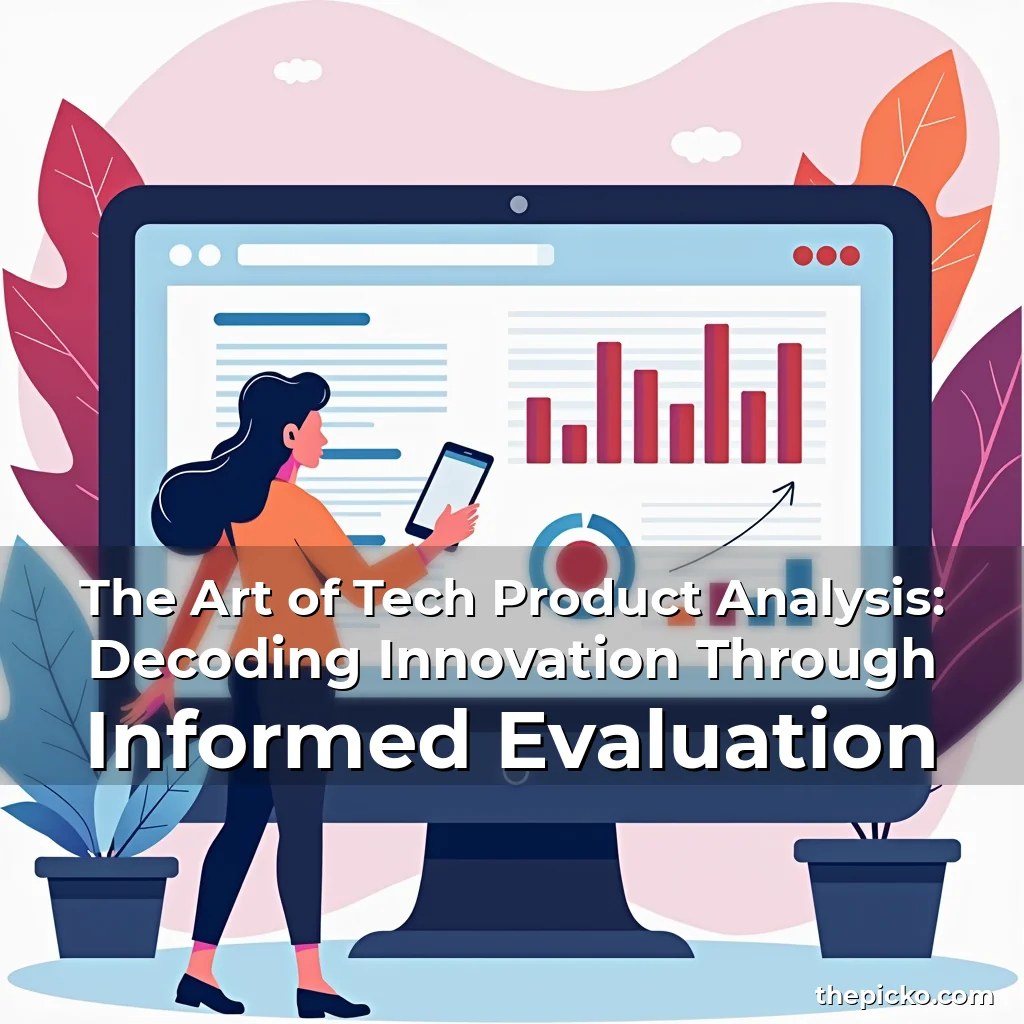
The Art of Tech Product Analysis: Decoding Innovation Through Informed Evaluation
In an era where technology evolves at lightning speed, understanding how products are designed, developed, and evaluated is crucial for both consumers and industry professionals. Tech product analysis serves as the bridge between innovation and usability, helping users navigate through the overwhelming array of options available today.
This exploration delves deep into the methodologies behind analyzing technological products, offering insights that can empower individuals to make smarter decisions when selecting devices, software solutions, or emerging technologies. By examining various facets such as performance metrics, user experience design principles, market trends, and sustainability practices, we uncover what makes certain technologies stand out from their competitors.
Understanding the Purpose of Tech Product Analysis
Tech product analysis isn’t merely about dissecting hardware components or reviewing app features; it’s a strategic process aimed at identifying value propositions within complex ecosystems. This approach allows stakeholders—from developers to end-users—to assess whether new offerings align with current needs while anticipating future requirements.
By evaluating aspects like scalability potential, integration capabilities, security measures, and compatibility across platforms, analysts determine how well these innovations fit into existing infrastructures without causing disruptions. The ultimate goal is ensuring that any adopted technology enhances rather than hinders productivity or consumer satisfaction.
A fundamental aspect involves benchmarking against similar offerings in the marketplace. Analysts compare specifications side by side—processing power, memory capacity, battery life—while also considering intangible factors such as brand reputation and customer support quality. These comparisons help highlight strengths and weaknesses inherent in each product line.
- User-Centric Design: Products must be intuitive yet powerful enough to cater diverse skill levels among users ranging from novices to experts.
- Sustainability Focus: Increasingly relevant
Evaluating Performance Metrics Across Devices
Performance remains one of the most critical criteria during tech product evaluations. Whether assessing smartphones, laptops, servers, or IoT gadgets, key indicators include processing speed, responsiveness under load conditions, energy efficiency rates, and overall reliability measurements taken over extended usage periods.
To ensure accuracy in assessments, standardized testing protocols are employed using recognized benchmarks like Geekbench scores for CPU performance or AnTuTu ratings for mobile device capabilities. These tests provide objective data points essential for comparing different models objectively.
Additionally, real-world application scenarios play vital roles too. How does a tablet handle video editing tasks compared to dedicated workstation machines? Or which smartwatch offers better heart rate monitoring precision despite having lower resolution screens? Such questions drive deeper investigations beyond mere numerical values provided by lab environments alone.
User Experience as a Core Component
No matter how advanced a piece of technology might seem on paper, its success ultimately hinges upon delivering seamless interactions that feel natural and effortless for human operators. User interface simplicity combined with responsive feedback mechanisms ensures positive engagement regardless of technical proficiency levels.
Designers employ various techniques including wireframing sessions early-stage development phases to visualize layouts before actual coding begins. Iterative prototyping cycles allow teams gather direct input from target audiences who test prototypes regularly thus refining experiences based off tangible reactions instead relying solely theoretical assumptions.
Accessibility considerations shouldn’t be overlooked either since inclusive designs benefit wider demographics including those with disabilities requiring alternative interaction methods via voice commands gestures etcetera.
Measuring UX Success Through Analytics
Data analytics tools track user behavior patterns revealing pain points within workflows allowing improvements targeted specifically towards areas needing enhancement. Heatmaps illustrate frequently clicked regions helping identify navigation bottlenecks whereas session recordings capture actual journeys made by individuals encountering issues spontaneously.
Moreover A/B testing enables comparison between two versions simultaneously showing which performs better regarding conversion rates task completion times error occurrences thereby guiding optimal choices moving forward without guesswork involved.
Market Trends Influencing Product Development Cycles
Staying abreast of evolving markets proves indispensable when conducting thorough analyses because preferences shift rapidly influenced heavily by cultural changes global events economic fluctuations amongst other variables affecting demand curves dynamically.
For instance AI powered assistants were once niche but became mainstream following widespread adoption seen post-pandemic due increased reliance remote work setups demanding automation efficiencies previously unattainable manually.
Emerging fields such quantum computing blockchain applications AR/VR immersion further complicate landscapes requiring continuous learning efforts staying updated latest breakthroughs influencing next generation devices entering pipeline stages currently.
Assessing Long-Term Value vs Short-Term Gains
Balancing immediate benefits versus long haul advantages becomes pivotal especially concerning capital intensive purchases involving enterprise grade systems infrastructure upgrades cloud migration strategies etcetera. While flashy specs attract attention upfront durability maintenance costs upgrade paths dictate true financial implications down road.
Vendors often emphasize initial price tags neglecting hidden expenses related warranties service contracts parts replacements potentially outweighing savings achieved initially buying cheaper alternatives later proving costly repairs required sooner rather than later.
Investment horizon plays significant role determining suitable candidates. Projects expecting quick ROI favor modular architectures enabling easy swaps components without full system overhaul conversely ventures aiming longevity prioritize robust frameworks built endure decade plus timelines efficiently adapting advancements seamlessly.
Security Considerations in Modern Technology Evaluations
With cyber threats growing increasingly sophisticated incorporating multifaceted attack vectors targeting vulnerabilities embedded firmware layers encryption protocols access controls themselves necessitates rigorous scrutiny prior deployment implementations.
Penetration testing simulates malicious activities probing defenses exposed flaws exploited unauthorized entry points. Regular audits update patch management schedules maintain integrity preventing exploits leveraging known weaknesses discovered recently patches released promptly addressing them effectively.
End-to-end encryption secures communications ensuring private information remains unreadable even intercepted transmissions. Multi-factor authentication adds another layer protection deterring brute force attacks attempting guess passwords repeatedly until successful intrusion occurs.
Environmental Impact Assessments Within Tech Sector
Green initiatives gain traction nowadays prompting organizations reevaluate supply chains sourcing materials sustainably reducing carbon footprints associated production distribution disposal phases lifecycle analyses conducted thoroughly evaluating ecological consequences throughout existence cycle.
Certifications like Energy Star denote compliance stringent standards promoting energy conservation lowering electricity consumption household business premises alike. Recyclability attributes considered carefully designing products disassembled easily components separated sorted recycled properly minimizing landfill contributions negatively impacting environment.
Carbon offset programs compensate emissions generated operations contributing positively climate change mitigation efforts balancing negative impacts responsible corporate citizenship endeavors maintaining ethical stances globally conscious communities.
Case Studies Highlighting Effective Product Analyses
Examining real-life examples provides concrete evidence demonstrating practical applications theories discussed earlier. Companies excelling analytical approaches consistently deliver superior outcomes reflecting diligent research processes undertaken systematically.
Apple’s relentless pursuit excellence exemplifies meticulous examination every component featured flagship iPhones ensuring premium quality expectations met exceeded continuously iterating improvements enhancing functionalities aesthetics appeal retaining loyal customer bases actively awaiting newest releases anxiously.
Similarly Samsung leverages extensive R&D departments investing billions annually exploring novel ideas transforming concepts viable commercial products benefiting millions worldwide through innovative displays processors connectivity enhancements shaping modern lifestyles profoundly.
Conclusion
Tech product analysis stands as cornerstone facilitating informed decision-making navigating vast digital landscape successfully. It empowers individuals enterprises discern genuine value propositions distinguishing exceptional offerings average ones effortlessly.
By integrating performance evaluations user-centric design principles security foresight environmental consciousness alongside keen awareness shifting market dynamics everyone equipped necessary knowledge making impactful selections aligning personal professional aspirations harmoniously with ever-evolving technological frontiers ahead.

news is a contributor at ThePicko.com. We are committed to providing well-researched, accurate, and valuable content to our readers.
You May Also Like
Share This Article
You Might Also Like