Table of Contents
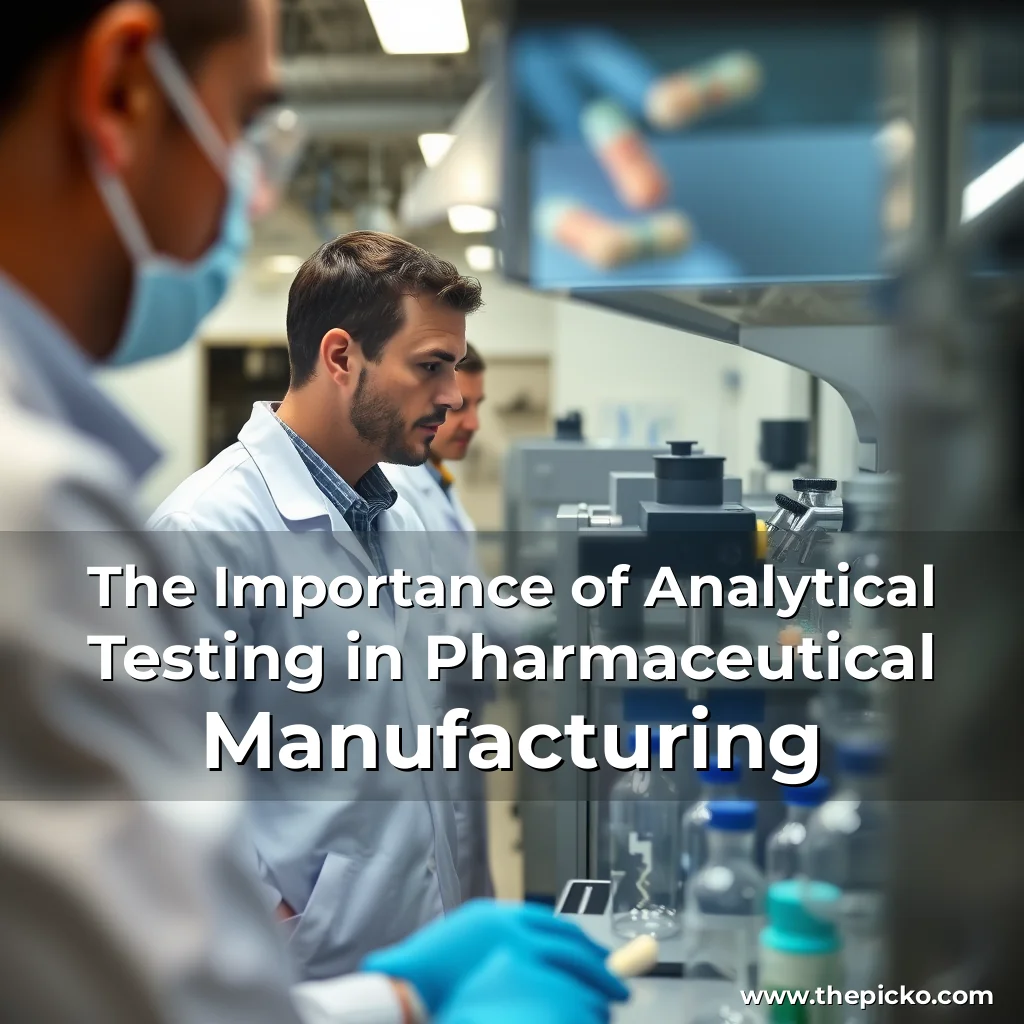
Analytical testing is an indispensable part of ensuring the quality, safety, and efficacy of pharmaceutical products. The process, however, is fraught with challenges that can be addressed through a proactive approach to compliance and efficiency.
The Challenges of Analytical Testing
• Maintaining analytical instruments in optimal condition is crucial, as improper calibration or maintenance can compromise test results. • Proper sample handling and storage are vital to preventing degradation or contamination. • The availability of reagents and reference standards can be a challenge, requiring strategic management to mitigate the impact on test reproducibility. • Variability between analysts can lead to inconsistencies, which can be addressed through standardizing methods, providing ongoing training, and integrating automation. • Dealing with out-of-specification (OOS) and out-of-trend (OOT) results requires a systematic approach, including thorough root cause investigations, statistical trending tools, and implementing corrective and preventive actions (CAPA).
Validated Methods in Good Manufacturing Practice (GMP)
Once the R&D department has developed the pharmaceutical analytical methods, a GMP analytical team takes over, validating those methods to current GMP protocols for the final product. • Close collaboration between departments, including R&D, regulatory affairs, and clinical, allows for the transfer of insights and knowledge about the final formulation, the final analytical methods, and the results concerning the investigational medicinal products (IMPs) or validation batches. • Validation and transfer of analytical methods between laboratories or manufacturing sites are crucial to maintain consistency and follow ICH Q2(R2) guidelines. • Data integrity remains a major compliance concern, requiring the implementation of audit trails and automated data capture systems.
Process Validation Controls and Investigational Medicine Product (IMP) Testing
• Thorough process validation controls are carried out on registration batches to ensure the reliability and consistency of the GMP manufacturing process. • In the case of IMPs, all necessary testing is performed on bio batches to confirm the integrity and quality of the product intended for bioequivalence studies. • In vitro dissolution tests are conducted as a complement to bioequivalence studies to verify that the product meets the required safety, efficacy, and quality standards.
Stability Studies According to GMP Guidelines
• Stability tests are designed to assess the percentage of the active substance throughout the product’s shelf life and provide insight into any degradation that may occur within the final dosage form. • Stability tests are carried out according to ICH protocols and GMP guidelines to determine the shelf life of the product and define the storage conditions required to maintain its integrity. • Stability tests can be designed to assess the effectiveness of a preservative in protecting against microbes and the potential interactions between the preservative and the drug formulation components.
| Challenge | Solution |
|---|---|
| Maintaining analytical instruments in optimal condition | A structured approach that includes IQ/OQ/PQ, routine preventive maintenance, and periodic performance verification. |
| Proper sample handling and storage | Validated stability-indicating methods, controlled storage conditions, and well-trained personnel. |
| Availability of reagents and reference standards | Maintaining an appropriately sized inventory, working with multiple suppliers, and regularly qualifying them. |
Batch Release and GMP Status
• The first validation batches allow for the evaluation of the GMP manufacturing process and its impact on product shelf life and storage conditions. • Proving that the validated protocol can be followed consistently for the release of commercial batches is crucial for regulatory compliance. • Regular audits by regulatory authorities and clients ensure compliance with all regulatory requirements. In conclusion, analytical testing plays a critical role in ensuring the quality, safety, and efficacy of pharmaceutical products. By addressing the challenges of analytical testing and implementing strategic solutions, pharmaceutical manufacturers can maintain compliance, efficiency, and accuracy, ensuring that their products consistently meet the highest quality standards.

news is a contributor at ThePicko.com. We are committed to providing well-researched, accurate, and valuable content to our readers.
You May Also Like




Share This Article
You Might Also Like